
What is the best bicycle, All Road or Gravel?
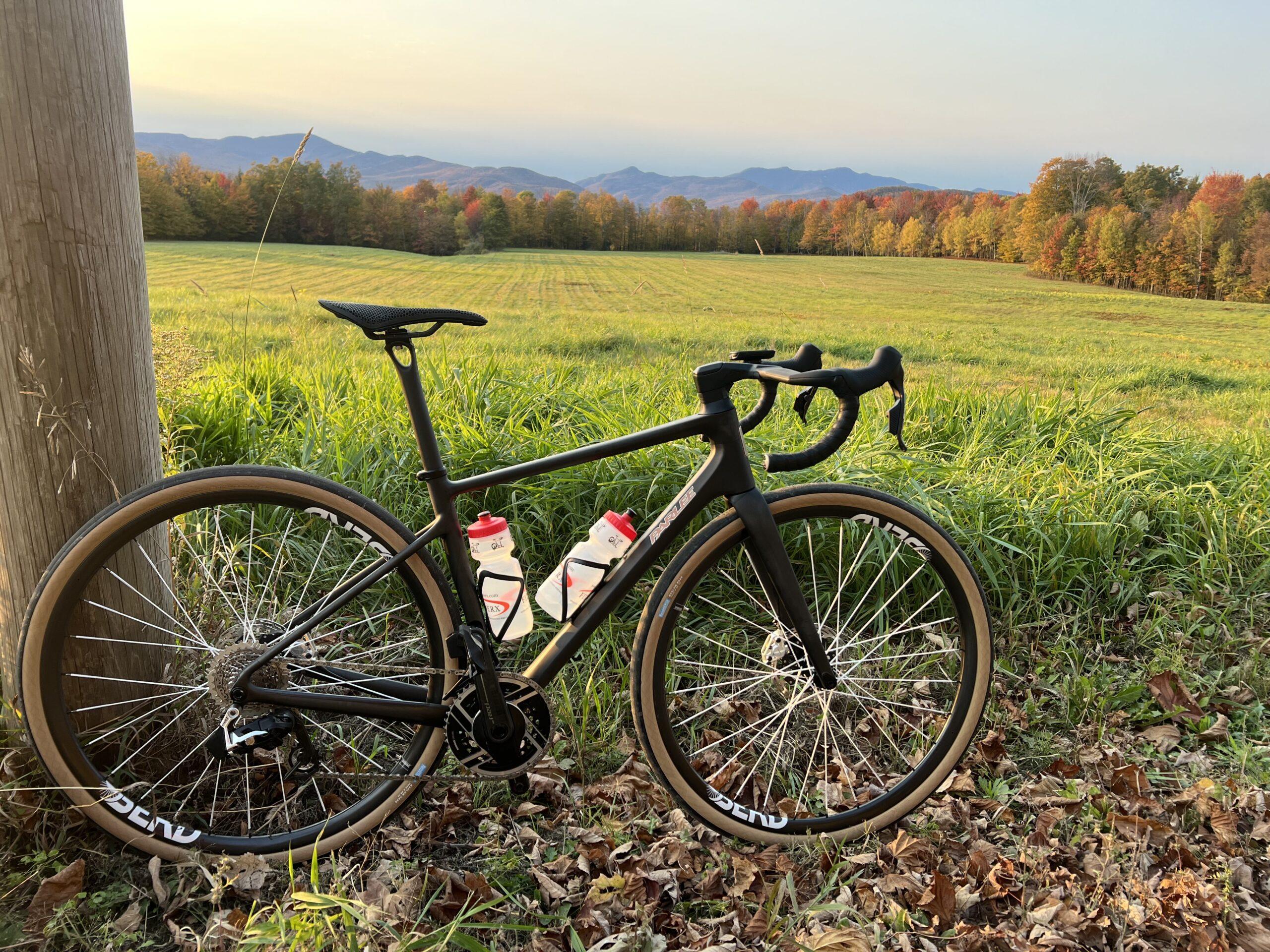
All-Road Bike or Gravel Bike?
What is the difference between an All-Road bike and a Gravel bike, and which one is the better choice? When reading bike descriptions from various companies, it is easy to think that All-Road bikes are primarily for paved surfaces, with occasional side trips on well-maintained dirt roads. Doing the same research on Gravel bikes can give the impression that they are ill-suited for pavement riding. This perspective limits our understanding of both types of bikes. In reality, there is significant overlap between the two; both types can be used in various environments. That said, each type of bike has specific characteristics that make it better suited for one type of terrain over the other. To make an informed choice, it’s essential to examine these differences and understand what sets one bike apart from the other.
Tire Clearance
At first glance, the primary difference between an All-Road bike and a Gravel bike is tire clearance. Modern All-Road bikes, like the Enve Fray and the Parlee Ouray, can accommodate tires up to 38mm wide. In contrast, many contemporary Gravel bikes, such as the Enve MOG, the Parlee Taos, and the Moots Routt, can accommodate tires as wide as 700x50mm. The size of tires a bicycle can accommodate is determined by the frame itself and the wheels it uses. Tire choice is one of the biggest factors in determining the terrain that a bike is best suited for.
Rim Width

One of the most often overlooked dimensions of a wheel is inner rim width. Inner rim width is the distance between the inner edges of each side of the rim, and it directly relates to the measured tire width. A wider rim width spreads the tire out more, reducing the tire pressure needed and, in turn, increasing ride comfort on rough terrain. Modern road rims have inner widths of 21-23 mm, with some rims reaching 25 mm. These rims are matched with tires starting at 700×28. In contrast, gravel rim inner widths range from 23 mm to 32 mm. Tires for these rims start at 700×35. In either case, it is important to recognize that the tire width printed on the side of the tire is dependent on it being used with a specific rim width, which is often narrower than what most bikes are equipped with today. For this reason, popular pavement tires will often measure 2-4mm wider than their listed size, while some gravel tires on the widest gravel rims could measure over 5mm wider than their listed size.
Two Wheelsets for Versatility
Some riders choose a single bike with two sets of wheels: one set with narrower road tires and the other with larger gravel tires. This configuration enables the rider to select the frame setup that best suits their preferences and riding style, while providing the flexibility to easily adjust the bike’s characteristics for various terrains. Aside from the tires and wheels, what other differences exist between gravel bikes and all-road bikes?
Is the Gearing Different on an All-Road Bike and a Gravel Bike?
In general, today’s gearing is more user-friendly and broader than ever. For All-Road bikes used on paved roads with consistent grade changes, a traditional setup with two rings on the front crankset paired with a tighter cassette is generally the choice. The smaller steps in the cassette result in smaller changes in pedaling cadence. A smoother pedal stroke matches the gradient changes of a paved road. The two rings in the front provide high gears for top speed on descents and flats while offering low-gear ranges for climbing that are much lower (easier) climbing gears than what dedicated pavement bikes of the past ever offered.
Gravel roads, on the other hand, often have more sudden changes in pitch and surface conditions. Similar to mountain biking, this makes a single front chainring with a wider cassette, such as a 10-44 or 10-52, a practical choice for many riders. The single chainring helps keep the chain more secure on rough terrain, while the wider cassette provides larger gear jumps with each shift. Much like a modern mountain bike, this simplification and wide range of gearing is particularly beneficial when navigating variable terrain that changes quickly. The gearing on a dedicated Gravel bike is often not as high as an All-Road bike, but the climbing gears are lower.
That said, the gearing between All-Road and Gravel bikes doesn’t have to be inherently different. If they are customized, All-Road bikes and Gravel bikes can use either of these configurations. The rider can choose what is best for them. This is part of why we always take a rider first approach to bike fitting and a rider matched approach to bike selection at Fit Werx.
Do All-Road Bikes and Gravel Bikes Handle Differently?
Speaking in a general sense, Gravel bikes are generally more stable than all-road bikes, primarily due to their longer wheelbase and slacker head tube angle. Most gravel bikes feature extended chainstays and forks to accommodate wider gravel tires. This added stability is particularly beneficial when riding on loose terrain, as it helps the bicycle stay on the intended path.
In contrast, the shorter chainstays and forks of All-Road bikes make them more responsive to rider input. This is often described as “nimble” by riders who are looking for this or “twitchy” by riders who want a less responsive riding experience. Again, as with gearing, All-Road bike handling is more confidence inspiring and stable feeling for most riders than the race based pavement specific geometry found a few years ago on most bikes (and that is still found on Pro Tour based bikes today).
What Size Do I Need?
Regardless of the type of bike, the rider’s cockpit is not defined by the wheelbase. The relationship between the seat, the handlebars, and the pedals on both bikes varies with bike size. How do we determine what size is correct?
At Fit Werx, we follow a Fit First approach. The first step is a comprehensive fit session that includes physical assessment of the rider, an interview to discuss the rider’s plans and goals and then a session on a fit cycle that is independent of any brand or model. This session not only looks at your position but also at how you interact with the bike. Where you sit on the saddle and how balanced you are provide our fitters with information that helps them develop your riding position.
Once the position is developed, we take the guesswork out of bike selection by recommending frame and cockpit combinations that are appropriate matches for the rider.
Many companies rely on frame stack and reach to determine the correct bike for a rider. We use that information, but it is only part of the story. Dean Phillips from Fit Werx in Massachusetts wrote this informative piece about the information that stack and reach measurements provide, along with their limitations.
So, is an All-Road or a Gravel Bike Right for Me?
In the end, the right bike is the one chosen and set up to deliver the experience that the rider envisions. When comparing All-Road bikes to Gravel bikes, the choice becomes clearer based on the intended use. If a rider plans to explore unmaintained roads and farm tracks, a Gravel bike is the better option due to its wider tire clearance. However, if such exploration is not likely, both types of bikes have characteristics that may appeal to different riders, depending on their preferences.
Assuming the bike’s final fit is correct, characteristics that influence the final decision include use, handling, aesthetics, parts compatibility, brand, and price. We collaborate with the rider to achieve the correct balance of these considerations; our goal is to match each rider’s vision and fulfill it.
We are here to discuss your vision and answer your questions.
